Gas line installation for furnaces in Birmingham, AL
A new furnace, a move to a different spot or a switch from electric heat to gas all start with the pipe that feeds it. We size the line for the load, add the shutoff and sediment trap, and pressure test it before any gas goes in.
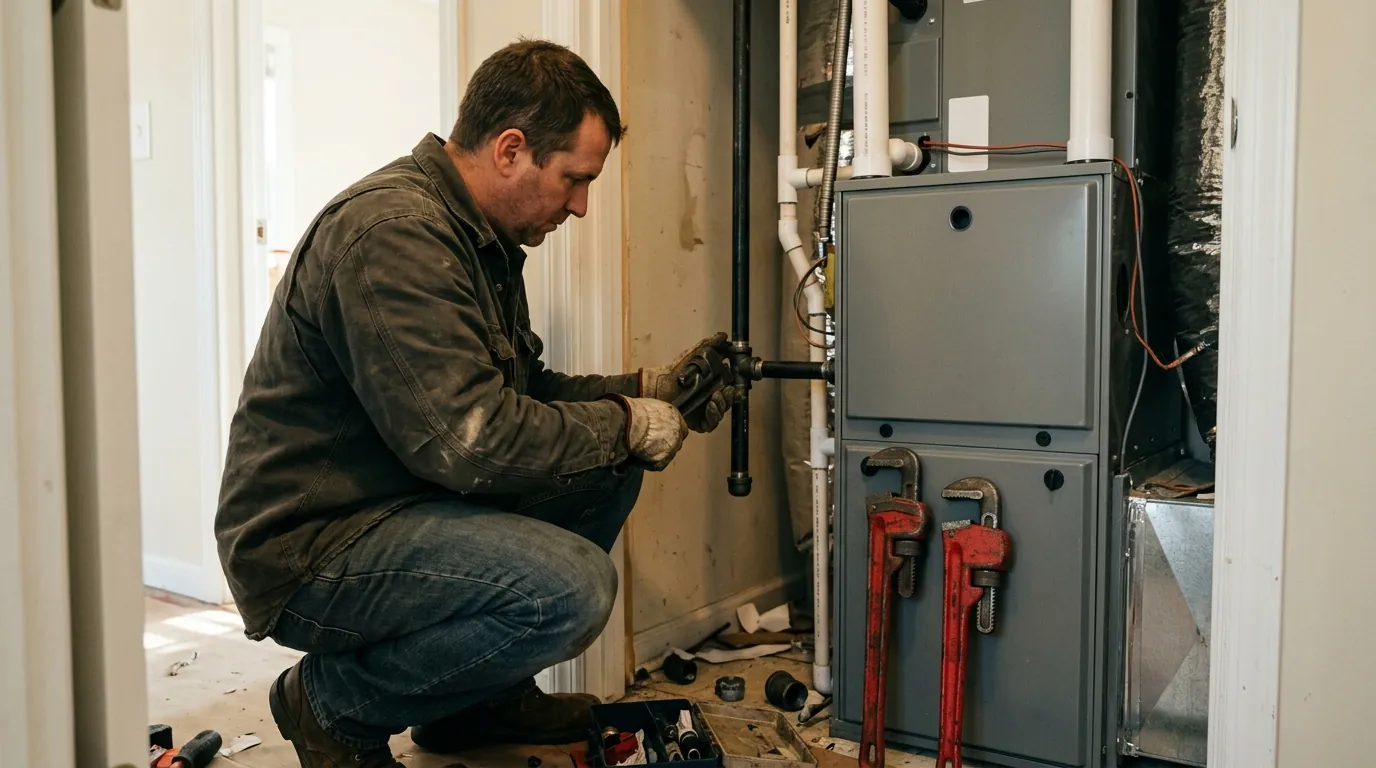
Gas line installation for a furnace means running pipe from the meter or an existing branch to the furnace, sized for every gas appliance on the system. Zeltman Heating & Air fits the shutoff valve and sediment trap at the furnace, pressure tests the new piping, arranges the local inspection and works with Spire when the meter or service has to change.
What goes into a safe gas line for a furnace
Every gas furnace needs a steady supply of natural gas at the right pressure, through pipe big enough to carry it. When a furnace is added, moved or upgraded, the old line may be in the wrong place. It may also be too small. A new furnace at the end of a long, undersized branch can run short of gas when the water heater and range fire too.
Sizing comes first. We add up the Btu input of every gas appliance on the line. Then we measure the run from the meter and pick pipe sizes from the fuel gas code tables. Longer runs and bigger loads need larger pipe. If the total load is more than the meter can supply, Spire handles the meter change. The meter and the service line feeding it belong to them.
The pipe itself is usually black iron, threaded and joined with approved sealant, or flexible corrugated stainless steel tubing with factory fittings. That tubing must be tied into the home's electrical grounding, as its maker requires. At the furnace, the line gets a manual shutoff valve within easy reach. It also gets a drip leg, which some people call a sediment trap. That capped pipe below a tee catches scale and moisture before they reach the gas valve.
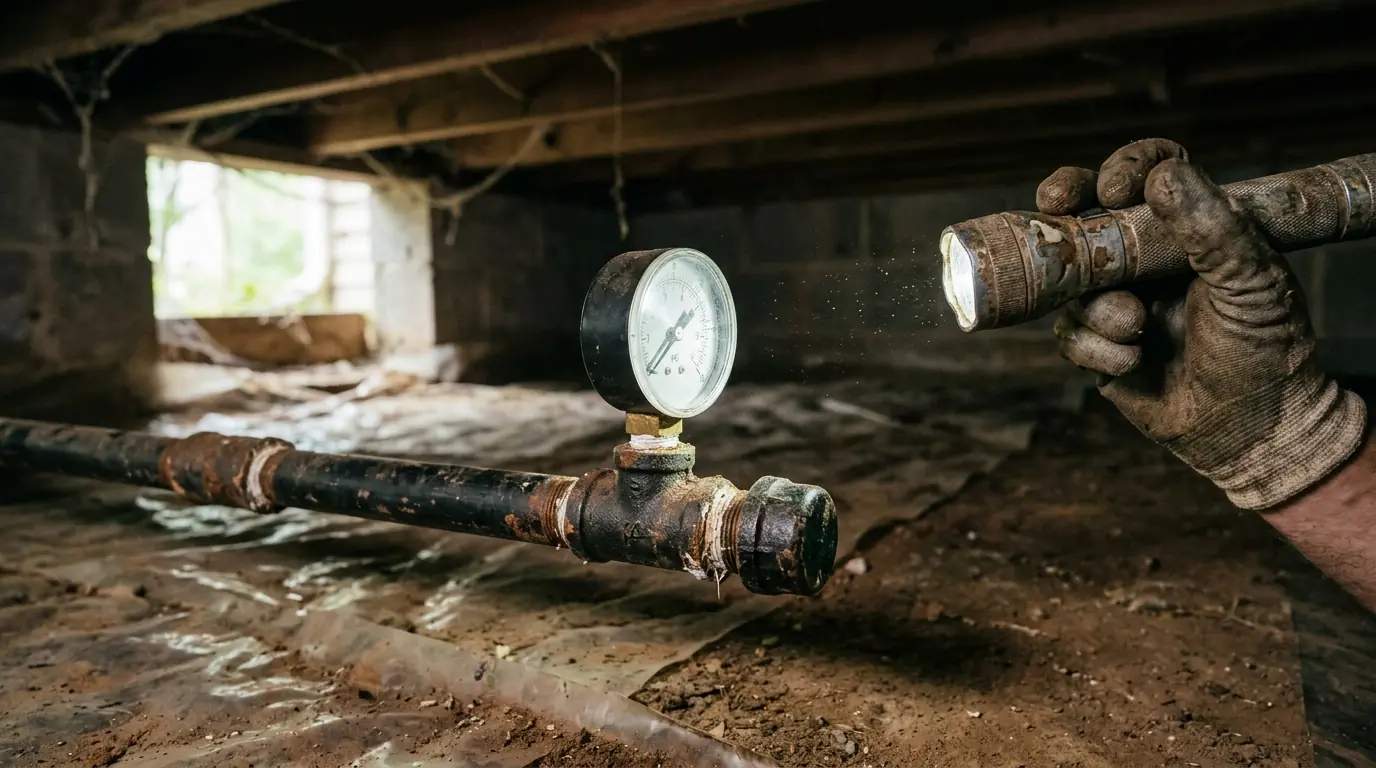
No new line goes into service on looks alone. We cap it, pressurize it with air and watch a gauge for any drop over the test period. Most cities and counties around Birmingham also require a permit and an inspection of new gas piping. The inspector may want to see it under test before walls close up. Only then do we purge the air, light the furnace and check every joint again.
What we check before running a new gas line
- Btu input of the furnace and every other gas appliance on the system
- Meter location, meter capacity and the supply pressure from Spire
- Length and route of the run through the crawl space, attic or walls
- Pipe material: black iron, or corrugated stainless tubing tied into the grounding
- Shutoff valve location within reach of the furnace
- Drip leg and union placement ahead of the furnace gas valve
- Existing piping condition, rust, unused branches and old connectors
- Permit and inspection requirements for your city or county
What a furnace gas line costs in Birmingham
$385 to $2,140
Adding a shutoff and sediment trap, or a short branch to a nearby furnace, sits near the low end. A new run from the meter to an attic furnace, larger pipe for a bigger load or several wall and floor penetrations moves toward the top. Permit fees and any meter work Spire does are separate. You get the price before work starts.
Ask for a price (659) 777-4129What moves the number
- Length of the run
- A few feet off an existing branch is quick. A run across the house and up into the attic takes far longer.
- Pipe size and material
- Bigger loads need larger pipe, and black iron and flexible stainless tubing differ in material and labor cost.
- Access
- Open crawl spaces and attics are straightforward. Finished walls, low crawl spaces and second floors slow the work.
- Fixing existing piping
- Rusted sections, old connectors or a missing shutoff and drip leg add parts and time to the job.
- Permit and inspection
- Fees vary by city and county, and a required inspection adds a scheduled step before the line goes live.
How a furnace gas line installation goes
Load and route
We list the gas appliances, measure the run and choose a route where the pipe stays supported, protected and reachable.
Permit and Spire timing
We pull the permit your jurisdiction requires and, if the meter or service must change, line that work up with Spire.
Run and fit the pipe
Pipe is run and strapped, sleeved through walls and fitted with the shutoff, union and sediment trap at the furnace.
Pressure test and inspection
The capped line holds air pressure on a gauge, and the inspector looks it over when the jurisdiction calls for it.
Purge, light and leak check
We purge air from the line, start the furnace, set its gas pressure and check every joint with a leak detector.
When a furnace needs new gas piping
Switching from electric heat to gas
Homes moving from heat strips to a gas furnace need a line from the meter to the furnace, and sometimes a new Spire service before that.
Adding a furnace for dual fuel
Pairing a heat pump with a gas furnace means bringing gas to the air handler location. Our dual fuel systems page explains how the two share the work.
Moving the furnace
Relocating a furnace from a closet to the attic or the crawl space means rerouting the gas line to reach the new spot.
A bigger total gas load
A larger furnace, or a second furnace for an upstairs system, can ask more of the existing pipe than it was sized to carry.
No shutoff or sediment trap
Some older installs run straight into the furnace with no accessible valve or drip leg. Both get added when we rework the line.
Old or damaged piping
Rusted pipe in a damp crawl space, outdated appliance connectors or branches left from removed equipment should be replaced or capped properly.
Gas piping in Birmingham-area homes
Spire supplies natural gas across Birmingham and much of the metro, so most homes here can run a gas furnace if the piping reaches it. In the 1950s through 1970s brick ranches of Huffman, Center Point and Crestwood, the furnace usually sits in a hall closet. Its gas line rises from the crawl space. Those lines run through damp air, so we check them for rust whenever we work nearby.
Many two-story houses in Hoover and Trussville heat the upstairs with an attic furnace. A new or relocated unit there means running pipe up through the house. In older Avondale and Forest Park homes, piping from earlier heating systems sometimes still branches off to nowhere, and we cap or remove it. A Lennox, Trane or Carrier furnace needs the same clean, correctly sized supply. Any house burning gas needs working CO alarms, and a CO safety check on the furnace is worth adding.
Areas we cover most often
We repair and replace equipment from these manufacturers, plus most other makes.
Questions about gas line installation for furnaces in Birmingham
In most cities and counties around Birmingham, yes. New gas piping usually needs a permit and an inspection before it goes into service. The rules vary by jurisdiction, so we check what yours requires, pull the permit and schedule the inspection as part of the job.
We total the Btu input of every gas appliance on the line, measure the length of the run from the meter and use the fuel gas code sizing tables. Pipe that is too small starves the furnace when other appliances run, so the whole system load counts, not only the furnace.
It's a short capped pipe below a tee just ahead of the furnace gas valve, also called a drip leg. Gas turns as it passes, and heavier debris and moisture drop into the cap instead of reaching the valve. Furnace makers and fuel gas codes call for one.
Only sometimes. Piping on the house side of the meter belongs to the home, and we install it. If the new load is more than the meter can deliver, or the house has no gas service yet, Spire handles the meter or service line, and we help line up the timing.
Leave the house right away, and don't switch lights, appliances or phones on or off inside. Once you're outside and away from the house, call Spire or 911. Don't go back in until they say it's safe, then call us to find and fix the leak.
A short branch with a new shutoff and sediment trap often takes a few hours. A full run from the meter to an attic furnace can take a day, and a required inspection may add a separate visit before the line goes live. We lay out the schedule with the price.
Related services and reading
- Furnace InstallationGas or electric furnaces sized, vented and set up for clean, quiet heat.
- Dual Fuel SystemsA heat pump paired with a gas furnace that takes over on the coldest nights.
- Heat Exchanger and CO Safety CheckA camera and combustion check for cracks, rollout and carbon monoxide risk.
- Furnace RepairNo heat, clicking with no flame, a tripped limit or a blower that runs nonstop.
- Heat pump or gas furnace for a Birmingham winter?Heating guide
- What a fall furnace tune-up actually checksHeating guide
Need gas line installation for furnaces in Birmingham?
We answer 24/7. Tell us what the system is doing and we will tell you what happens next.