What a Birmingham winter actually asks of a heating system
Most winter days here are cool rather than cold. That is exactly the weather a heat pump handles well. Then a few times each winter, an arctic front pushes overnight lows into the 20s, and sometimes into the teens.
That split matters more than any average. A system that runs efficiently through most of the winter but needs help on the handful of coldest nights can still be the right choice. The real questions are how much those few hard nights cost you, and how you want the house to feel while they last.
How a heat pump heats, and where the balance point comes in
A heat pump is an air conditioner that runs in reverse. In winter it pulls heat out of the outdoor air and moves it inside. Because it moves heat rather than making it, it delivers more heat than the electricity it uses, especially on mild days.
As the outdoor temperature drops, the house loses heat faster while the heat pump produces less. The temperature where those two lines cross is the balance point. Above it, the heat pump carries the house alone. Below it, something else has to help.
In many Birmingham homes the balance point lands somewhere in the 30s, though insulation, duct leaks and equipment size move it a lot. Newer variable speed heat pumps keep producing useful heat well below freezing. A properly sized modern unit often gets through a cold snap with only modest help from backup heat.
Aux heat and what it costs to run
Most heat pumps in this area have electric heat strips in the indoor air handler. The thermostat shows them as aux heat, and as emergency heat when they run alone. Heat strips work much like a toaster. They are simple and dependable, but they use far more electricity for each unit of heat than the heat pump does.
Aux heat running for a few hours on a 22 degree night is normal. Aux heat running through most of a 40 degree day is not. That pattern points to a heat pump problem, a thermostat setting or a large overnight setback that calls for the strips every morning, and it shows up quickly on an Alabama Power bill.
What a gas furnace does well, and what it asks of you
A gas furnace makes heat by burning natural gas, and its output does not fall as the weather gets colder. On a night in the teens, it delivers the same heat it does at 45 degrees. The air from the registers also comes out noticeably warmer than heat pump air, which many people like.
Furnaces bring their own responsibilities. A cracked heat exchanger or a blocked flue can leak carbon monoxide, so a gas furnace needs a yearly safety check, and every home with gas appliances should have working CO alarms. In Birmingham, natural gas service comes from Spire. On a lot with no gas main, the choice narrows to a heat pump with electric backup or a propane furnace.
A furnace also needs a separate air conditioner for summer. A heat pump covers both seasons with one outdoor unit, which is part of why so many newer subdivision homes in Helena and Moody run them.
Dual fuel: a heat pump with a gas furnace behind it
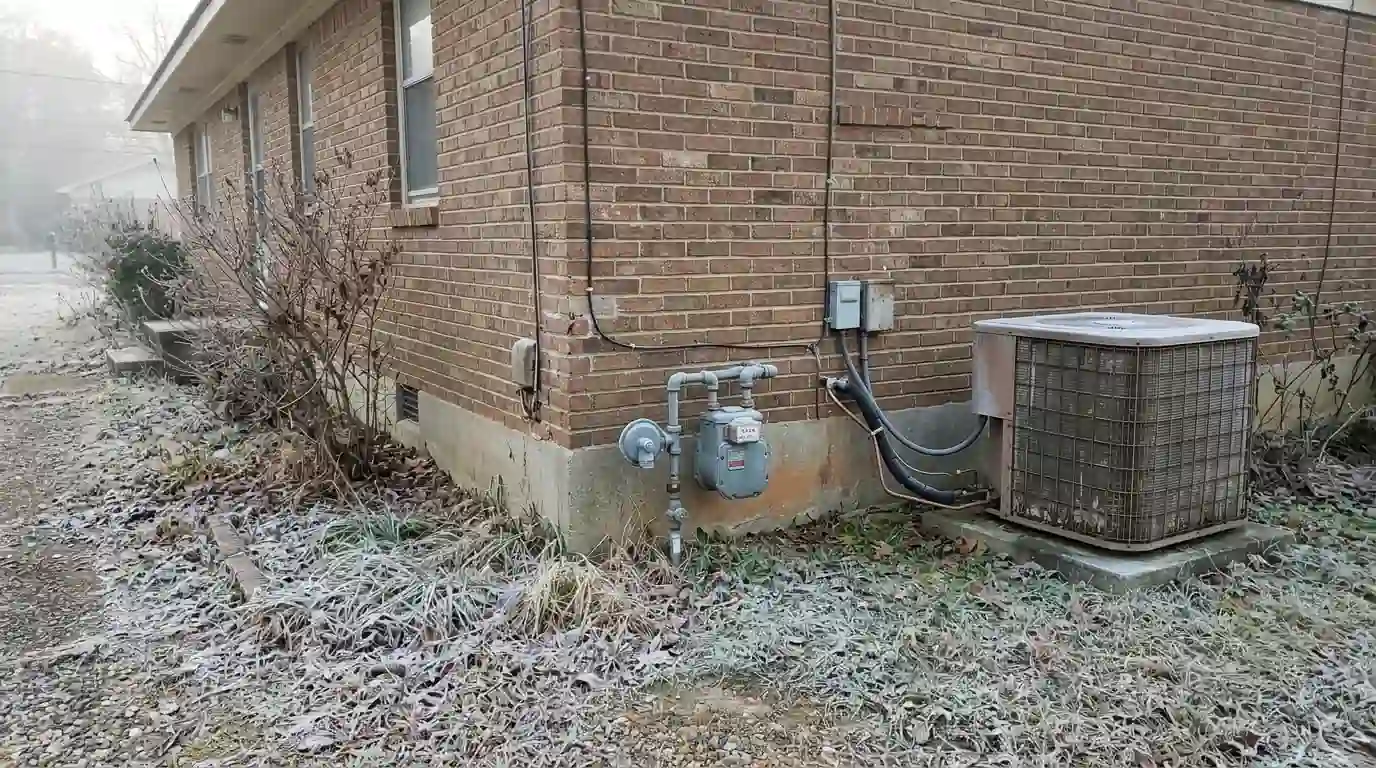
A dual fuel system pairs a heat pump with a gas furnace instead of heat strips. The heat pump runs on mild days. When the outdoor temperature drops below a set changeover point, the thermostat shuts the heat pump off and lights the furnace.
In our climate this gives you the low running cost of a heat pump for most of the winter and steady gas heat on the coldest nights. It suits homes that already have a gas furnace in good shape and need a new outdoor unit. Often the furnace stays, and the old air conditioner is replaced with a heat pump and a thermostat built to manage both.
The changeover point is a setting, not a fixed rule. We set it based on your equipment, your gas and electric rates, and how warm you like the air at the registers.
How comfort feels with each system
Heat pump air often feels lukewarm at the register, even while the room is warming up. Furnace air feels hot right away. Neither is wrong, but anyone who stands over a vent on a cold morning notices the difference.
Heat pumps run longer, gentler cycles, so room temperatures stay steadier, especially with variable speed equipment. Furnaces heat quickly and shut off. In an older, leaky house that can feel more up and down, with drafts between cycles.
The house itself plays a big part. An early 1900s bungalow in Avondale or Norwood with thin insulation loses heat fast, so backup heat matters more there. A 2000s two-story home in Chelsea with decent insulation is usually an easy fit for a heat pump.
Choosing the right fit for your house
- Heat pump with heat strips: no gas line, a newer or well insulated home, and one outdoor unit for both seasons.
- Dual fuel: gas already in the house, a furnace with life left, or a preference for hot air on the coldest nights.
- Gas furnace with a separate AC: older or drafty homes, people who want full heat output in any weather, or a furnace that still has years in it.
Whichever way you lean, size the system with a Manual J load calculation. Heat pumps are rated in SEER2 for cooling and HSPF2 for heating, so compare both numbers between models. Our heat pump installation visits start with that calculation and a close look at your ducts, because leaky ducts in a cold attic or crawlspace raise the balance point for any system.
Key takeaways
- Birmingham winters are mild most days, with a few cold snaps into the 20s or teens.
- Below the balance point, a heat pump needs help from heat strips or a furnace.
- Aux heat running on a mild day is a warning sign, not normal operation.
- Dual fuel pairs heat pump savings with gas heat on the coldest nights.
Questions readers ask
It is the outdoor temperature where the heat pump's output matches the house's heat loss. Below it, backup heat has to help. In many Birmingham homes it falls somewhere in the 30s, depending on insulation, duct leakage and the size and type of heat pump.
With working backup heat, yes. A modern, properly sized heat pump keeps producing heat well below freezing, and heat strips or a gas furnace fill the gap on the coldest nights. Check the backup heat before winter so the first hard freeze is not the first test.
There is no single right number. It depends on the heat pump's capacity, your gas and electric rates, the house's heat loss and how warm you like the supply air. We set it after looking at the equipment and adjust it if you want more comfort or lower bills.
A heat pump moves heat from outdoors and sends air out at a lower temperature than a gas flame produces. The air is still warmer than your skin, but it feels mild at the register. The room reaches the same temperature, usually with longer, steadier cycles.