Fresh air ventilation in Birmingham, AL
Tight, well-sealed houses save energy, but they also hold onto stale air, cooking odors and moisture. An energy recovery ventilator brings in fresh outdoor air while handing much of the heat and humidity back outside.
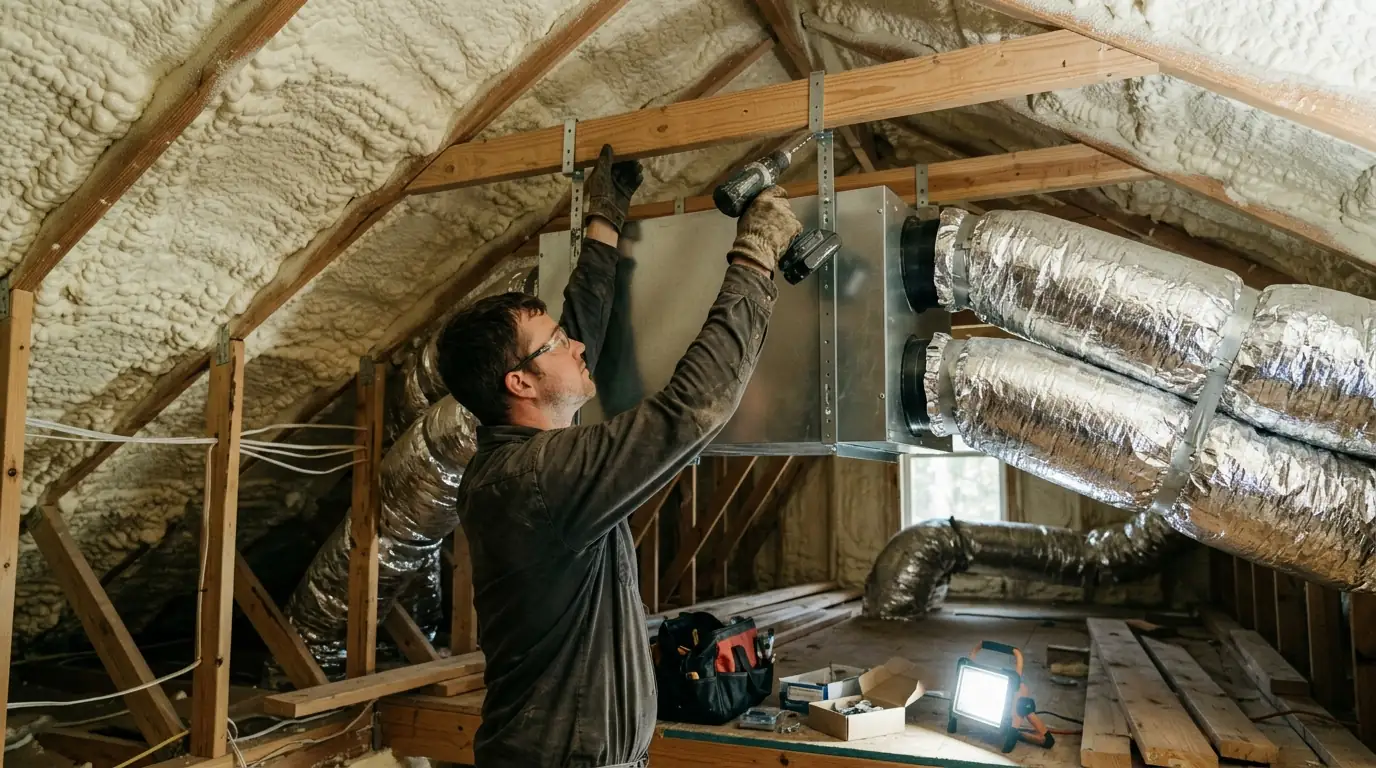
Fresh air ventilation exchanges stale indoor air for outdoor air on a steady schedule. In a humid climate like Birmingham, an ERV usually makes more sense than an HRV, because it transfers moisture as well as heat and keeps much of the summer humidity out. Zeltman Heating & Air sizes the ventilator, ties it into your ducts and balances the airflow so the house stays neutral.
Why tight homes need planned fresh air
Older houses get fresh air whether anyone planned it or not, through gaps around windows, the attic floor and the crawlspace. Newer homes, especially ones with spray foam attics or careful air sealing, leak far less. That saves energy, but moisture from showers, cooking smells and indoor pollutants stay inside longer unless something moves them out.
Fresh air ventilation replaces that accidental leakage with a controlled flow. A balanced ventilator pulls in outdoor air and exhausts the same amount of indoor air, so the house stays near neutral pressure. The two airstreams pass through a core inside the unit without mixing, and the core transfers energy from one stream to the other.
An HRV transfers heat only, which works well in cold, dry climates. An ERV transfers both heat and moisture, which is why it suits a humid place like Birmingham. In July, the core hands much of the incoming moisture to the cooler, drier exhaust air leaving the house, so less of it reaches your AC coil. In winter it helps hold some indoor moisture in.
An ERV is not a dehumidifier. It cuts the moisture that ventilation air would otherwise add, but it does not dry the house. Homes that still run humid may need a dehumidifier alongside it, and we measure indoor humidity before recommending either. Brands such as Carrier, Lennox and Trane make ERVs that pair with their air handlers.
What we check before installing an ERV
- How tight the house is, based on construction and any blower door results
- Indoor humidity and carbon dioxide readings over time
- Existing ventilation: bath fans, range hood and any fresh air duct
- Attic, closet or crawlspace room for the unit with service access
- Duct paths for supply and exhaust, or a tie-in to the HVAC return
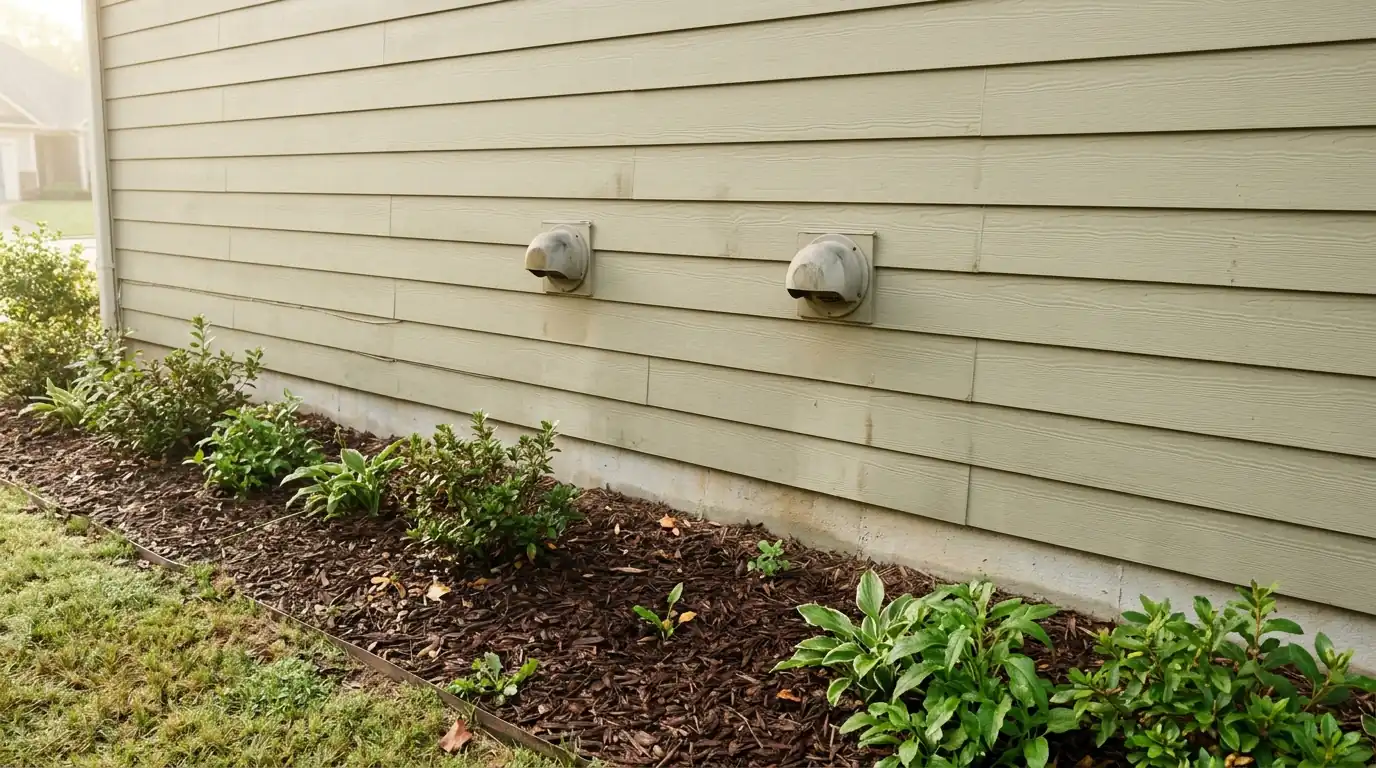
- Exterior wall spots for intake and exhaust hoods, kept well apart
- Air handler blower operation, if the ERV will share its ductwork
- Control options: continuous low speed, timers or humidity-based settings
What fresh air ventilation costs in Birmingham
$1,865 to $4,385
A compact ERV tied into existing HVAC ducts in an accessible attic sits near the low end. Larger units, dedicated duct runs to bedrooms and baths, or difficult wall penetrations push the price higher. The quote follows the site visit and comes before any hood goes through a wall.
Ask for a price (659) 777-4129What moves the number
- Unit size
- Larger homes need higher airflow units, which cost more to buy and install.
- Duct design
- Tying into the HVAC system is simpler than running dedicated ducts to each room.
- Wall or roof penetrations
- Hoods through brick or stone take more time than hoods through siding.
- Controls
- Basic timers cost less than controls that adjust based on humidity or carbon dioxide.
- Access
- An open attic install is quick. Tight closets or crawlspaces add labor.
How a fresh air ventilation install works
Measure and plan
We look at the house, check humidity and carbon dioxide, and work out how much fresh air the home needs.
Choose the setup
We pick an ERV size and decide whether it gets dedicated ducts or ties into the HVAC return and supply.
Install the unit and hoods
The ERV mounts in the attic, a closet or a crawlspace, with intake and exhaust hoods placed apart on outside walls.
Balance the airflow
We measure intake and exhaust airflow and adjust them to match, so the ventilator does not pressurize or depressurize the house.
Set controls and show upkeep
We set the run schedule and show you how to clean the filters and the core, which matters most during pollen season.
When fresh air ventilation makes sense
A newer, tightly built home
Spray foam attics, sealed crawlspaces and careful air sealing all cut leakage, and that is when planned ventilation earns its place.
Stuffy rooms and lingering odors
Cooking smells that hang around for hours or bedrooms that feel stale by morning point to too little air exchange.
High carbon dioxide readings
Air quality testing that shows carbon dioxide climbing overnight in closed bedrooms suggests the house needs more fresh air.
Condensation on windows in winter
Moisture building up on cold glass can mean indoor humidity has nowhere to go.
A major air sealing project
After sealing an attic or replacing windows, an older house can become tight enough to need mechanical ventilation.
A fresh air duct that brings in muggy air
Some homes have a simple outdoor air duct into the return. An ERV replaces it with balanced, energy-recovered airflow.
Fresh air in Birmingham-area homes
Most of the tight houses we see are newer builds in Chelsea, Helena, Moody and Pelham, along with homes anywhere in the metro that have had spray foam added to the attic. With muggy Birmingham summers, bringing in outdoor air without moisture recovery can push indoor humidity up, so we nearly always suggest an ERV rather than an HRV here.
Older homes in Avondale, Woodlawn and East Lake usually leak enough that a ventilator is not the first need. Pollen season matters for every ERV in the area, since the intake filter catches pine and oak pollen in March and April and needs checking more often then. If your house already runs humid, a whole-house dehumidifier may belong in the same conversation.
Areas we cover most often
We repair and replace equipment from these manufacturers, plus most other makes.
Questions about fresh air ventilation in Birmingham
In a humid climate like Birmingham, an ERV is usually the better choice. It transfers moisture as well as heat, keeping much of the summer humidity out of the incoming air. An HRV transfers heat only, which suits cold, dry climates better.
A little, since the fan runs and outdoor air comes in. An ERV recovers much of the heat and moisture, so the added load on the AC and furnace is far smaller than opening a window. The fan itself draws modest power.
Many older Birmingham homes leak enough that a ventilator is not the first priority. Newer, tightly sealed homes and houses with spray foam attics benefit most. We look at construction and readings before recommending one.
An ERV reduces the moisture that ventilation air would add, but it does not remove moisture already in the house. In a home that runs humid, we may suggest a dehumidifier along with it. Measuring humidity first tells us which you need.
Clean or replace the ERV filters every few months, more often during spring pollen, and clean the core as the maker directs, usually once a year. We check both during maintenance visits and note when the next cleaning is due.
Often, yes. Many ERVs tie into the return and supply of the existing HVAC system. Dedicated ducts give more even distribution, especially to bedrooms, but cost more. We choose based on the layout and your goals.
Related services and reading
- Whole-House DehumidifierDucted dehumidifiers that pull sticky Birmingham humidity out of the whole house.
- Indoor Air Quality TestingHumidity, particle and airflow readings that show what is actually in the air.
- Air Filtration UpgradesMedia cabinets and higher MERV filtration sized so airflow does not suffer.
- New Construction and Addition HVACLoad calculations, duct design and equipment for new homes, additions and finished basements.
- Why your AC can't keep up on muggy Birmingham afternoonsCooling guide
Need fresh air ventilation in Birmingham?
We answer 24/7. Tell us what the system is doing and we will tell you what happens next.